How democratic institutions actually work—and for whom. We investigate Supreme Court doctrine, voting rights litigation, municipal rebellion, participatory budgeting, judicial activism, executive immunity, and the administrative state. From Chevron deference to bilingual governance, legal architecture shapes daily life.
59 articles
What DOGE Actually Did: Ten Months of Fake Savings and Real Damage
What looks like subtraction is often scorched ground; what looks like reform is frequently a breach of law. Ten months in, DOGE's balance sheet is legible—and the arithmetic of claims versus facts reveals a permanent contest between institutions designed to be slow and appetites designed to perform.
The Ledger and the Labyrinth: Jared Kushner, Trumpworld, and the New Arithmetic of Power
Start with a ledger—not credits and debits, but favors as tender, time as compound interest, the Republic's attention as tradable asset. Jared Kushner sits at the fulcrum: family to the president, consiglieri to sovereign money, recurring name in deals from Balkan riverfronts to American media.
Power Lines as Colonial Control
Puerto Rico's democracy, bankruptcy, and the grid that could teach the mainland how to heal. If you want to see the United States without makeup, fly to San Juan and wait for the lights to flicker. In that twitch you can read the whole civics lesson: a people who are citizens without a presidential.
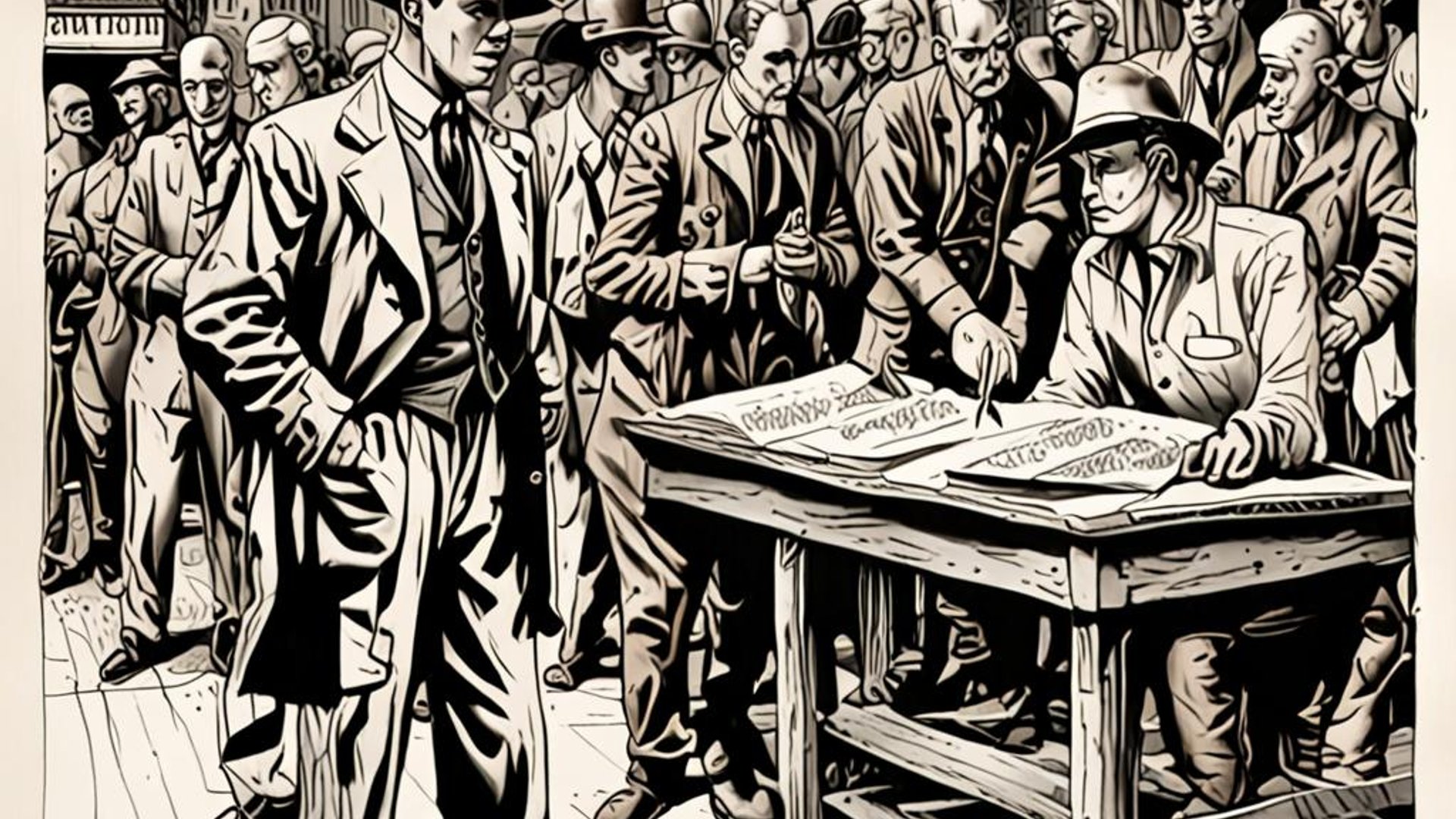
Brackeen: The Case Against Tribal Sovereignty
Louisiana v. Callais and the quiet attempt to end Section 2 of the Voting Rights Act. Some revolutions arrive as fireworks. Others arrive as docket numbers. Louisiana v. Callais is the latter—a case that began as a fight over one congressional map and swelled into a vehicle that could cripple or.
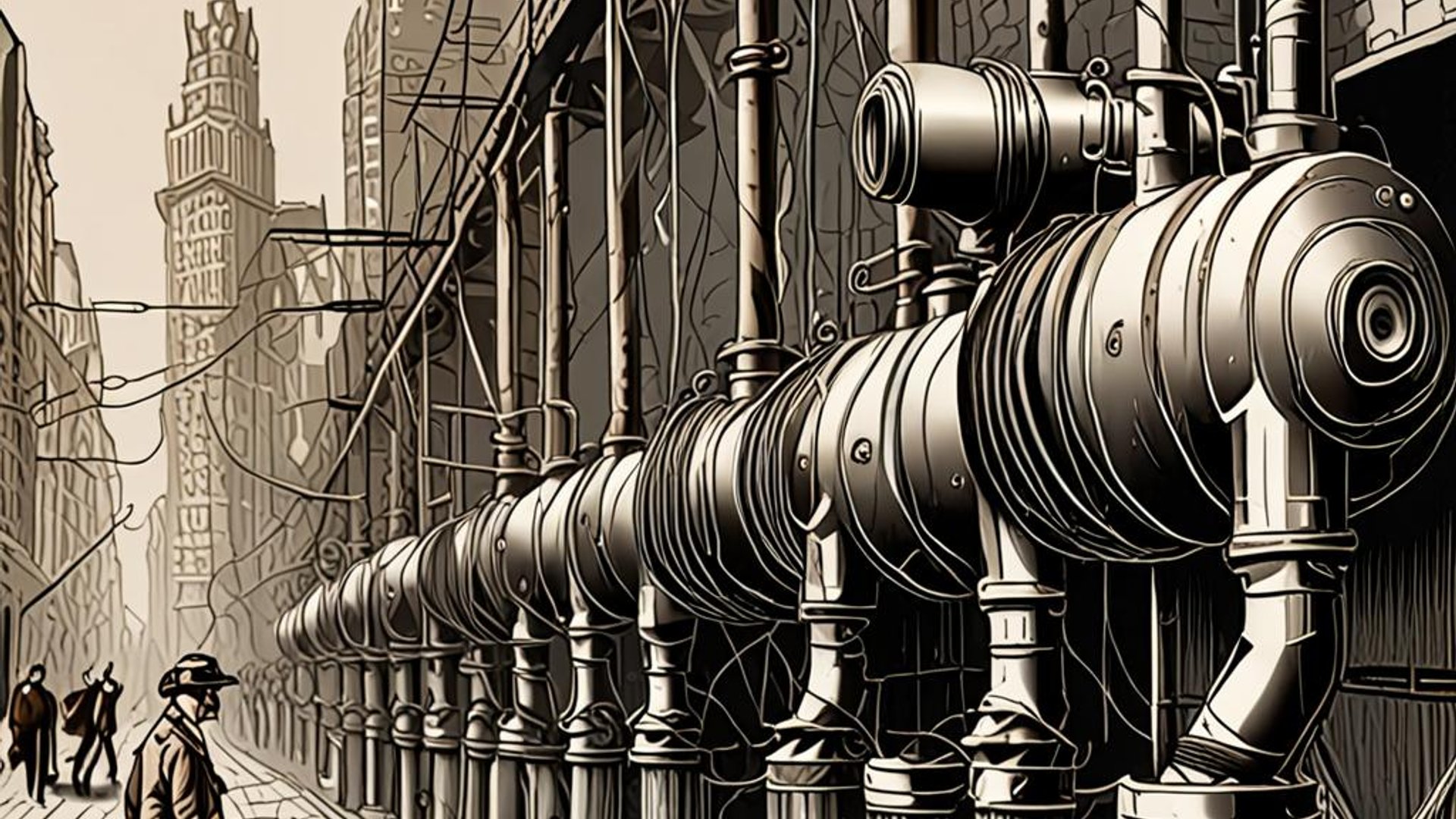
When Utilities Choose Governors
How physical systems—pipelines, grids, cables—shape political realities in American cities and define the geography of governance.
The Language Penalty: Speaking Spanish Costs Power
How to run elections, permits, and emergencies in two languages—and why it makes a republic smarter. Every morning, millions of Americans begin their day in Spanish and end it in English (or vice versa). The republic is bilingual in fact, yet too many of our most consequential interactions with.
The Profit-Price Channel: How Market Power Turns Shocks into Inflation
Between what we pay and what it cost to make runs a corridor of hidden doors—contracts, fees, platforms, habits—where a quiet arithmetic decides how much of a shock becomes a price and how much becomes a profit. The profit-price channel, mapped with equations and evidence.
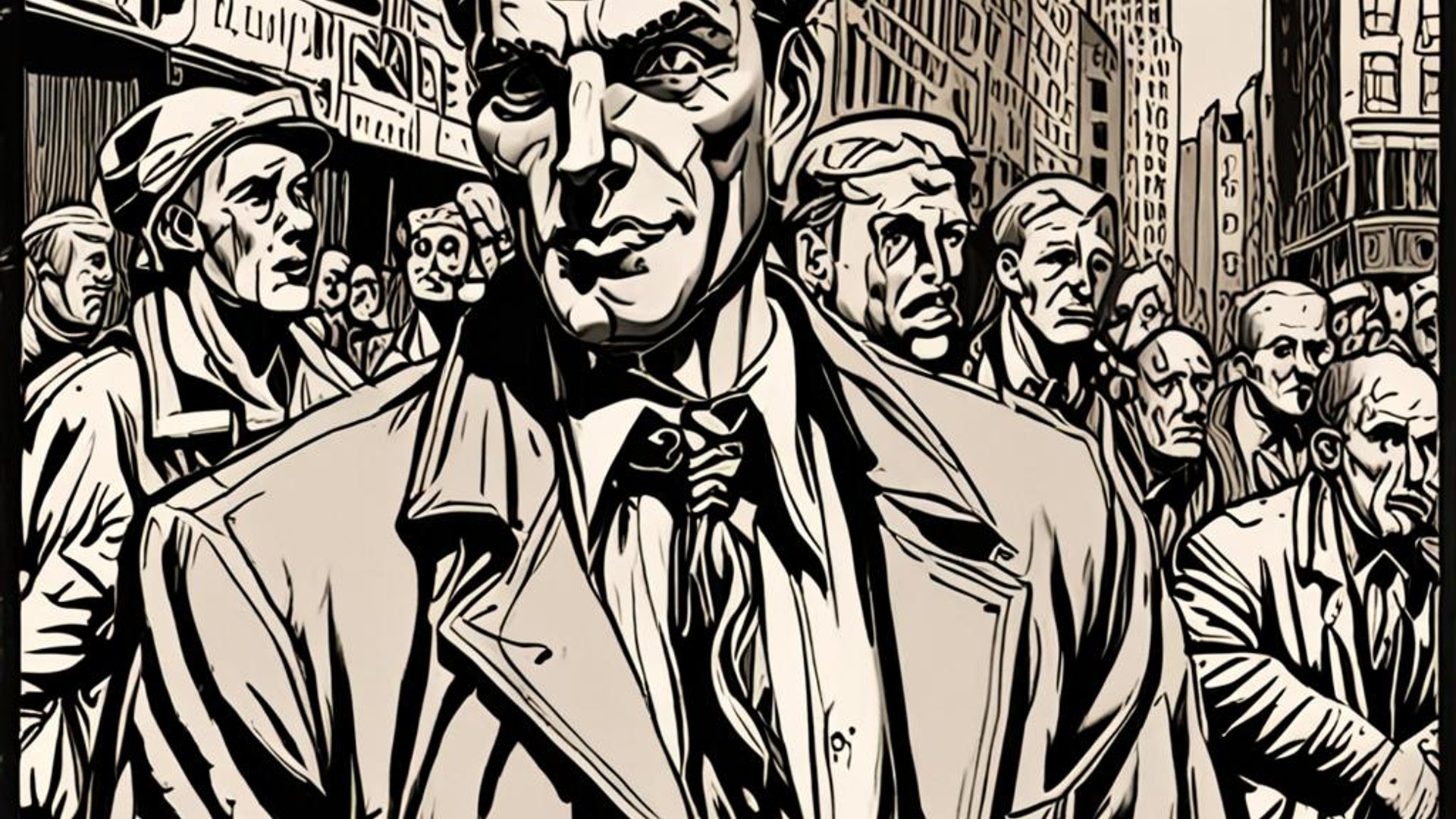
The Activist Card: Judicial Hypocrisy
Conservative judging since the 1980s—and the paradox of a movement that won by denouncing its own reflection. The term 'judicial activism' is the judiciary's favorite insult and our public square's dullest knife. Everyone uses it to describe the decisions they don't like; few define it before.
Fear, Trump, and the Edit: When One Splice Weaponizes an Entire Newsroom
A miscut speech, a $5 billion threat, and two resignations: how the BBC crisis reveals the asymmetric warfare against independent media. When power hunts for seams in newsroom armor, every error becomes a hostage situation—and even UK Labour ministers declare the BBC must change.
The Activists Who Said They Weren't
How a conservative legal movement rewrote American law from the 1980s to today. For forty years, the conservative legal movement has sold a deceptively simple ethic: judges should interpret, not make, the law. The method was restraint; the result was revolution.