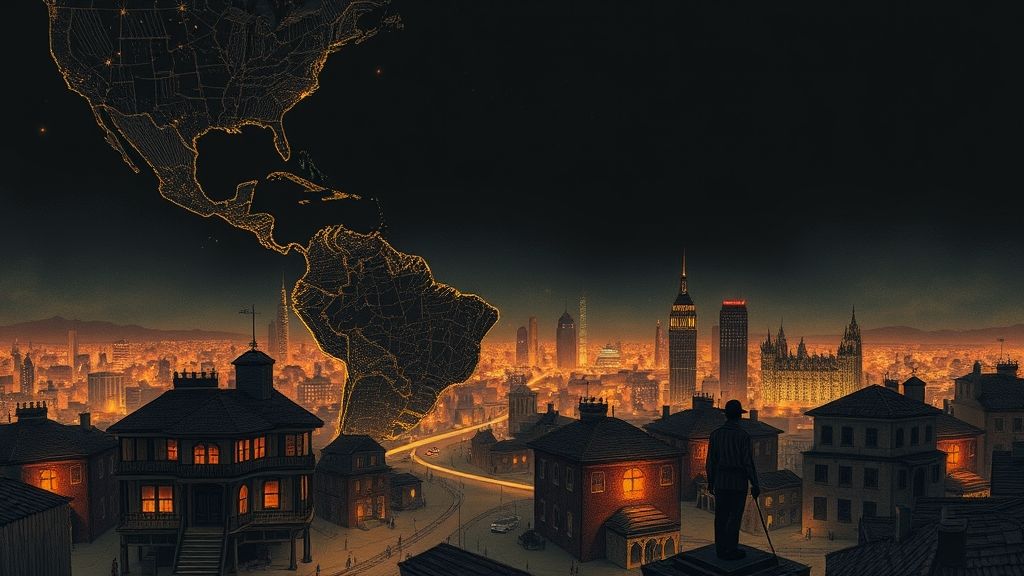
Hemispheric relations, Hispanic heritage, and the geopolitics of the Americas. We investigate USMCA renegotiations, nearshoring, Pan-American diplomacy, bilingual governance, Spanish colonial law, Latin American urbanism, and U.S. double standards. Half of America lives in former Mexican territory—this geography shapes everything.
22 articles

Who Owes Whom an Apology? Spain, Mexico, and the American Mirror We Keep Avoiding
As Mexico's president asks Spain to apologize for the conquest, the United States watches from the sidelines. But settler colonialism left different scars than imperial colonialism. An essay on apologies, archives, and what contrition might purchase.
The Spanish Echo in the Non-Spanish Caribbean
Spanish heritage did not disappear from the English-, French-, and Dutch-speaking Caribbean; it migrated into other rooms of the house. This essay maps the living echo through Trinidad's parang, Jamaica's Spanish Town, Belize's bilingual markets, and the ABC islands' Papiamento—arguing that these.
Medellín''s Miracle? Urban Design, Politics, and the Limits of Transformation
Once suffering extraordinarily high violence rates, Medellín remade itself through transit, public libraries, and public-space investments. This essay traces the politics, innovations, ambivalences, and lessons for U.S. cities seeking equitable urban transformation.
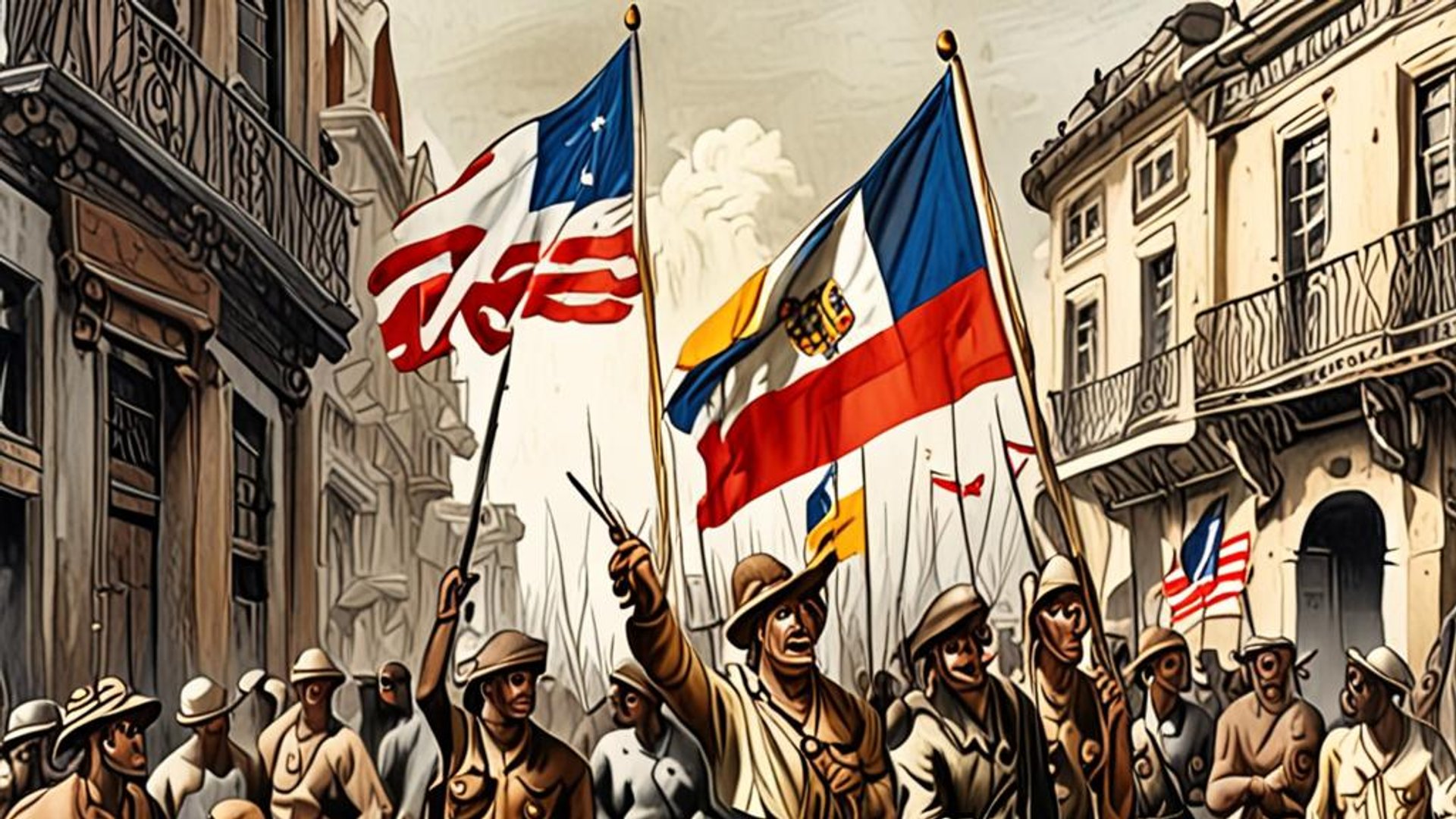
Why Hispaniola Kept Changing Flags: Spain, France, and the Road to Haiti
The island we now call Haiti and the Dominican Republic did not change hands because monarchs were whimsical. It moved with the tides of European war, sugar profits, and administrative exhaustion. This essay untangles the geography, the names, and the power ledger behind Hispaniola's shifting flags.

The Labyrinth of Three Clocks: Venezuela 1998–2025
María Corina Machado's Nobel Peace Prize arrives as Venezuela navigates 27 years measured by three clocks: output, distribution, and rights. A data-driven narrative tracking boom, crash, and the quietest clock—democracy—that decides repair.

America''s Other Founding: The Spanish Story
The most American thing about the United States is that we keep mistaking prologue for plot. We nod at Spain and Mexico in the opening credits, then hit fast-forward to railroads and robber barons. But the decisive drama—the social inventions, the legal improvisations, the urban.
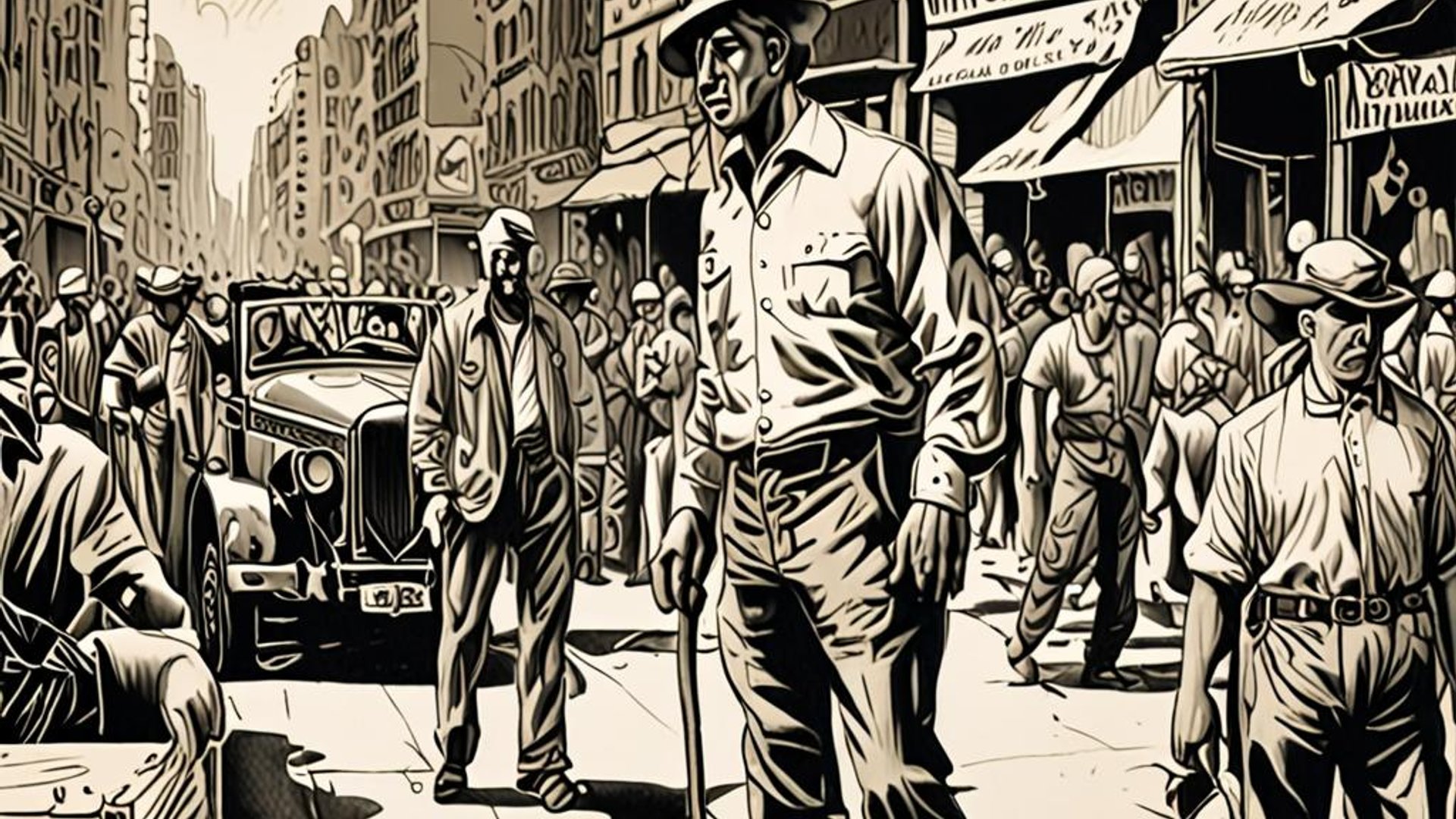
Why the U.S. Treats Latin America Differently
Walk into any American newsroom on a slow afternoon and point to a globe. Paris elicits sighs; Prague, a study-abroad anecdote; Berlin, a memory of train schedules that ran to the minute. Say Tegucigalpa, and the room tilts. Not hostility—just air pockets of unknowing.
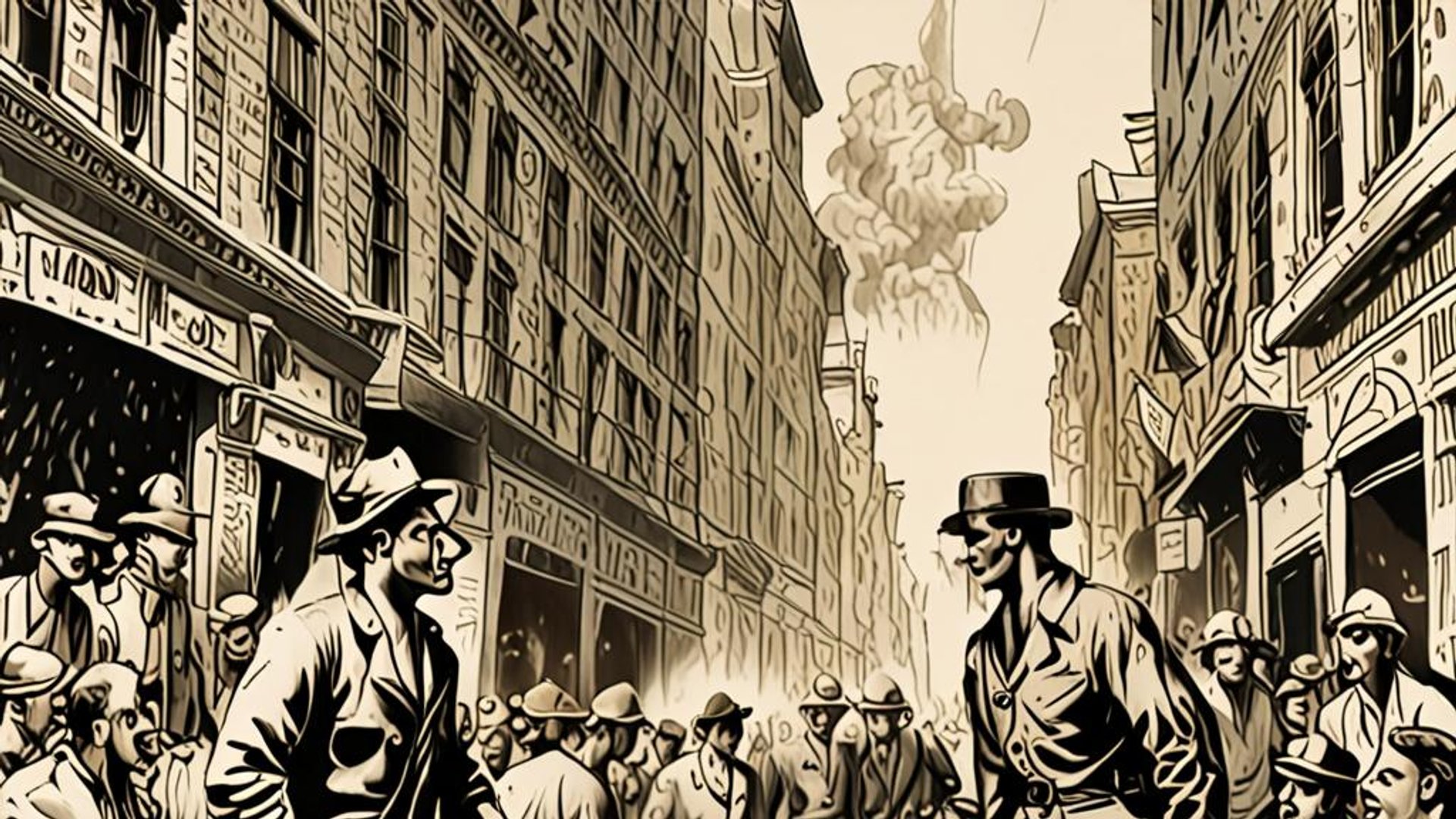
The Hidden Hemisphere: How Spanish America Built the United States—and Why We Forgot
Every nation is a story told about land. The United States has preferred the tidy novella: thirteen British colonies, a heroic revolution, then Manifest Destiny. But walk any city with your ears on—Los Angeles, San Antonio, Santa Fe—and the place names remind you that the harmony was written in.
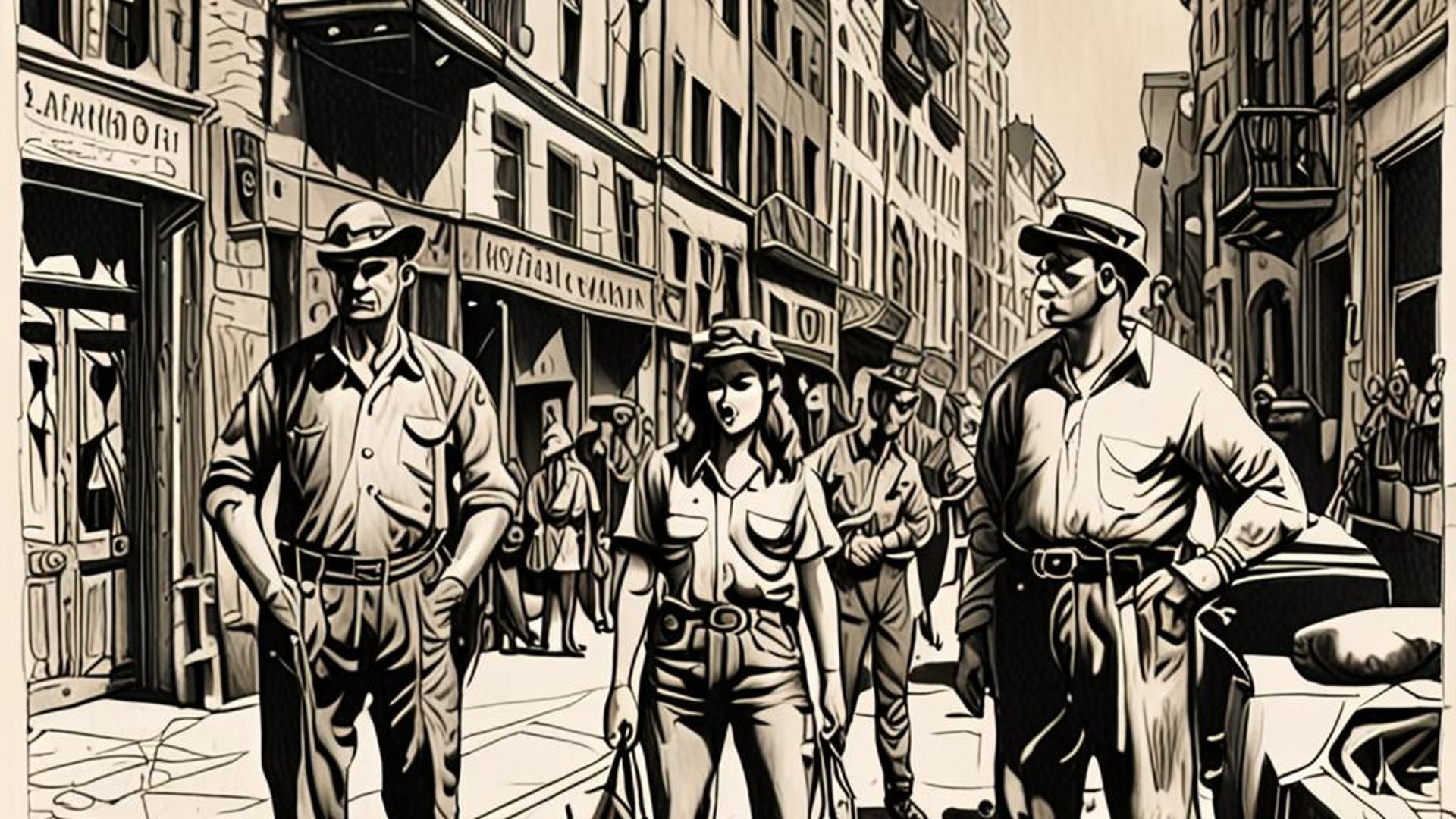
The Anti-Woke Playbook: How Florida and Hungary Are Redesigning Democracy's Distance
From Florida's classrooms to Hungary's parliament halls, the 'anti-woke' movement reveals itself as more than culture war—it's a systematic attempt to redesign the distance between citizen and state, neighbor and neighbor, in ways that fundamentally alter democratic participation across the.
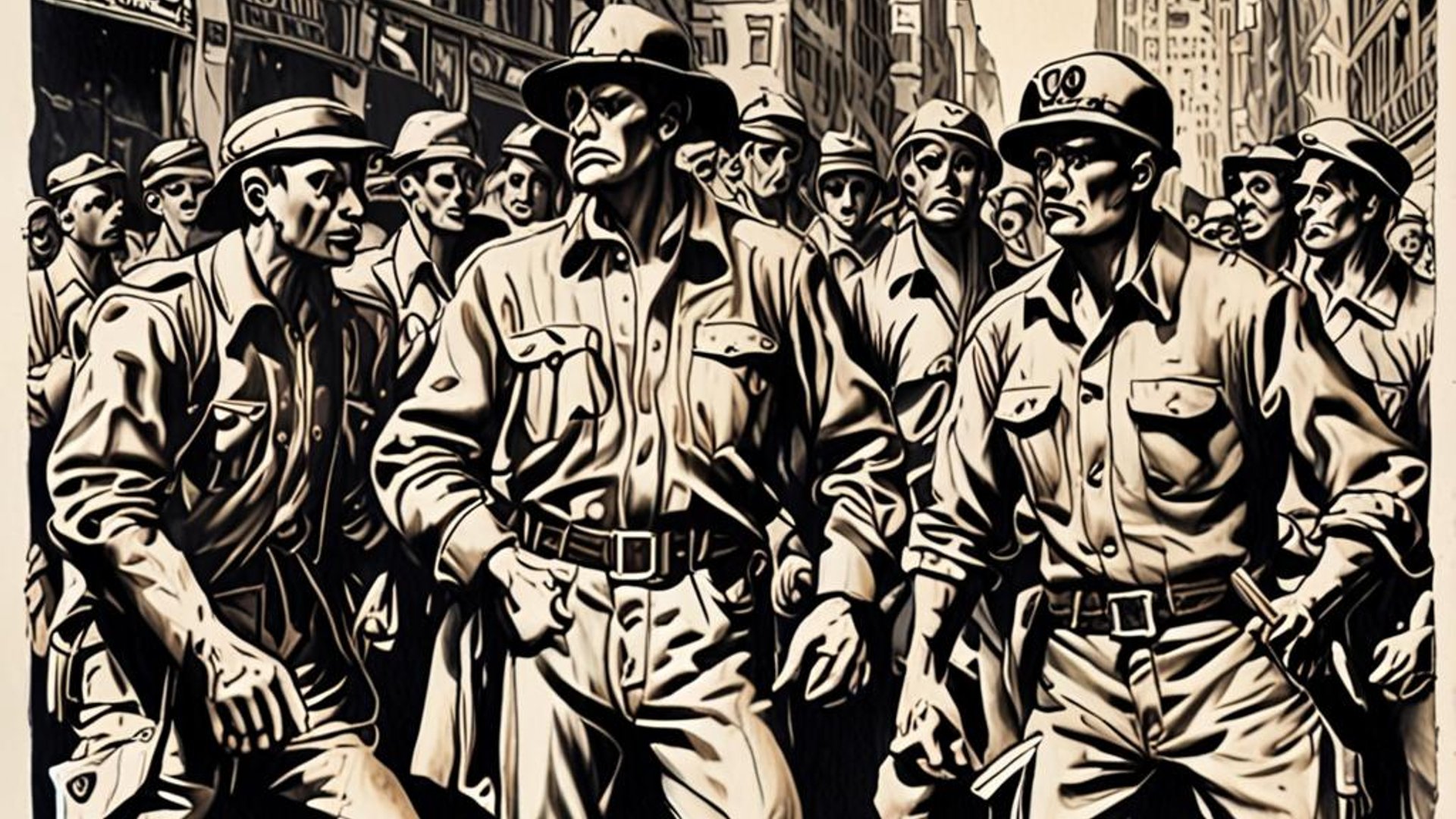
One Drought, Many Borders: Why the Americas Need Institutions as Big as Their Problems
Climate, migration, trade — the Americas are entwined. This essay argues that effective responses to shared crises require institutional designs that match hemispheric interdependence: joint infrastructure, finance, and democratic cooperation.