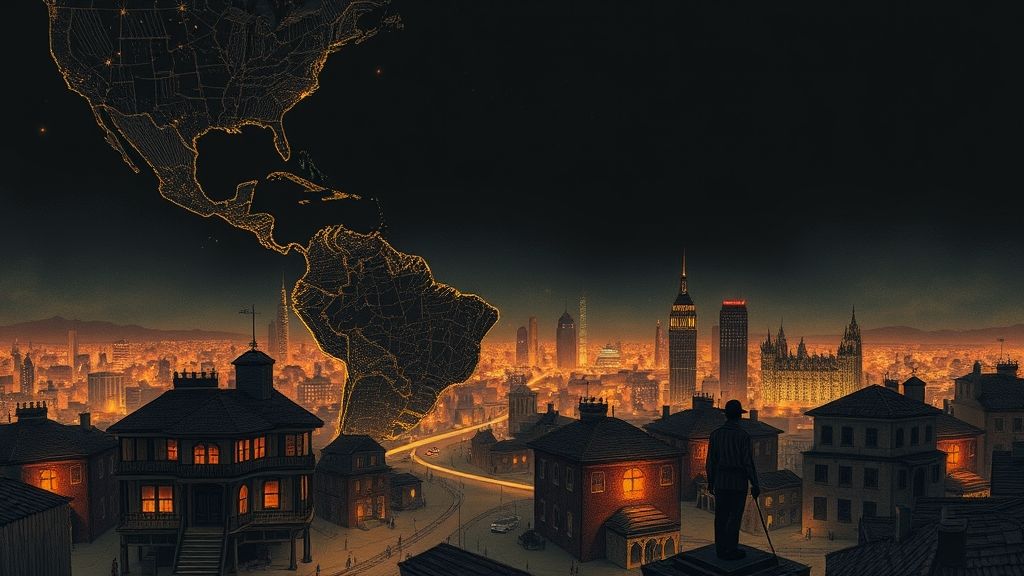
Hemispheric relations, Hispanic heritage, and the geopolitics of the Americas. We investigate USMCA renegotiations, nearshoring, Pan-American diplomacy, bilingual governance, Spanish colonial law, Latin American urbanism, and U.S. double standards. Half of America lives in former Mexican territory—this geography shapes everything.
22 articles
The Forgotten Republics of Light: Reading America Through the Ghost of New Spain
Beneath every American highway lies the dust of empires that spoke in another grammar. The Spanish colonial past offers an alternative genealogy where identity was not binary but layered—a continental experiment from Florida to California that still defines our moral noon.
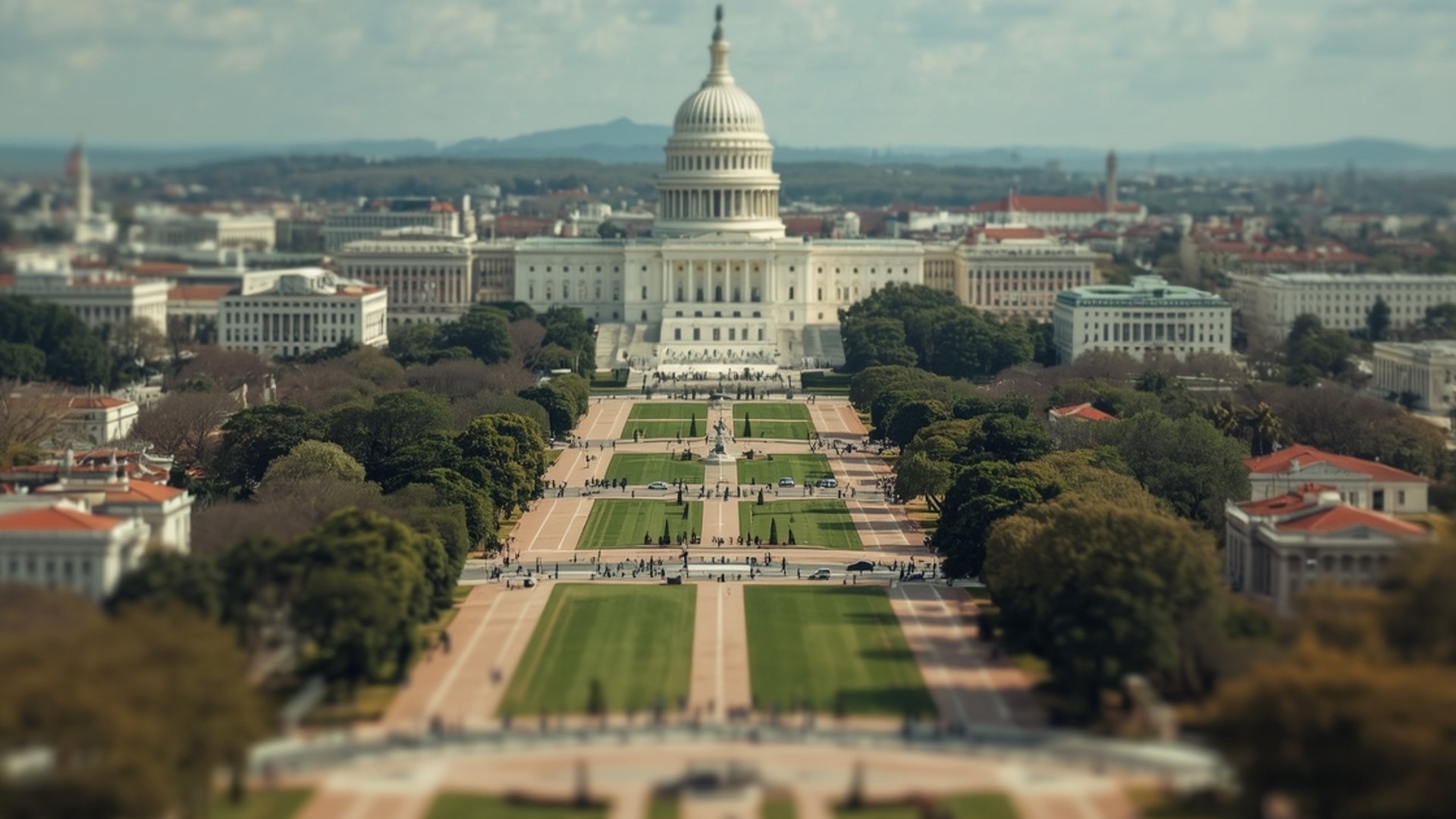
The Double-Standard Doctrine
How Washington treats Europe like a roommate and Latin America like a distant cousin—and what it would take to change the house rules. An empire doesn't have to call itself an empire. Sometimes it just keeps two sets of house rules. When Europe coughs, the U.S. shows up with casseroles and cash.
Latin America's Next Boom Is North America's Insurance Policy
Why Latin America's next boom is North America's best insurance policy. For two decades the world's factory pointed east by reflex. Then pandemics and geopolitics broke muscle memory. 'De-risking' entered the catechism, and procurement teams began measuring distance again—how far the ship must.
Neighbors at Arm's Length
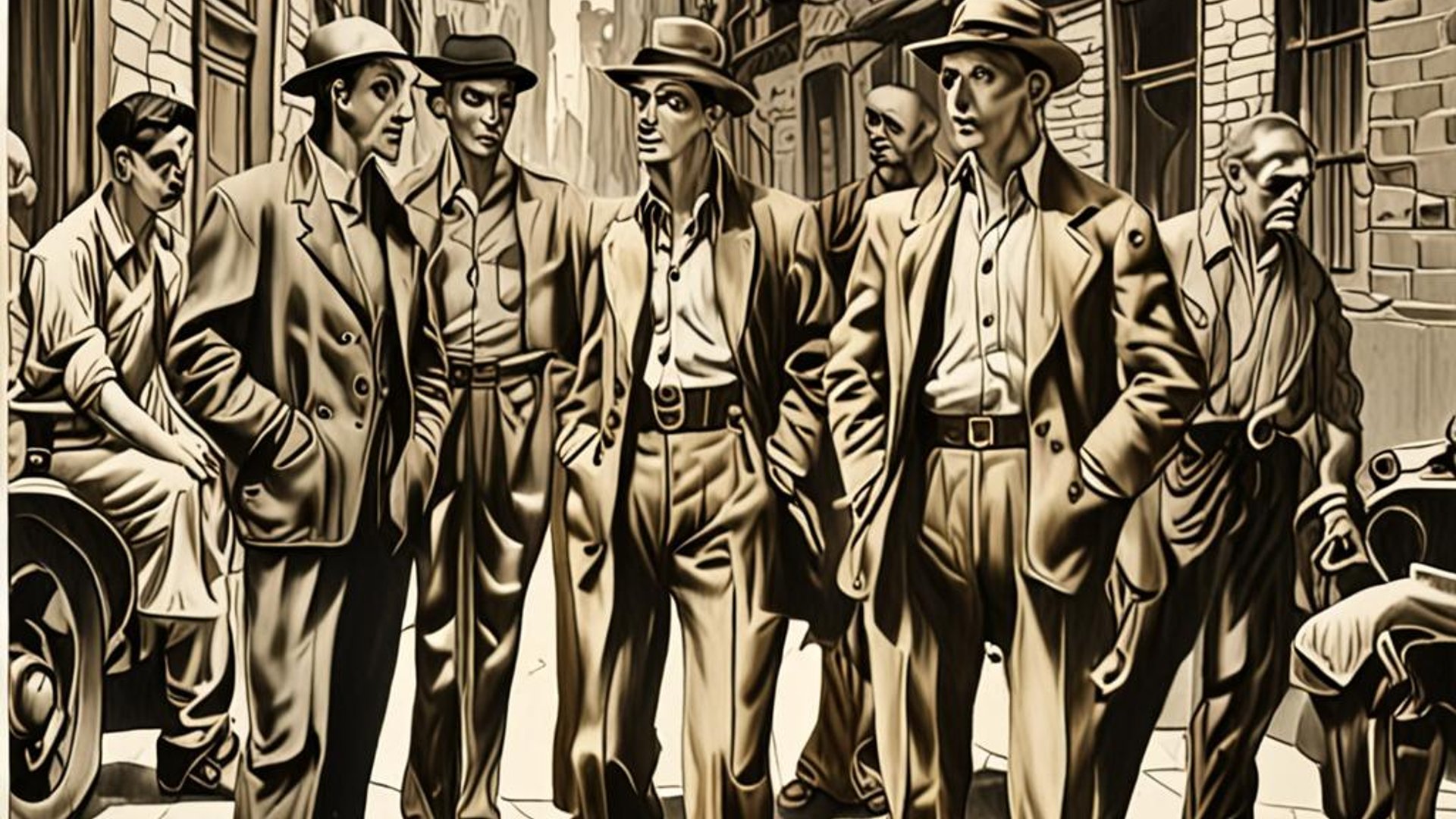
The double standard that warps U.S. policy toward Latin America—and how to fix it. Europe gets the Rules for Allies; Latin America gets the Rules for Neighbors. Here's a field guide to ending the whiplash.
The 2026 Test: What North America Does Next With Its Trade Deal
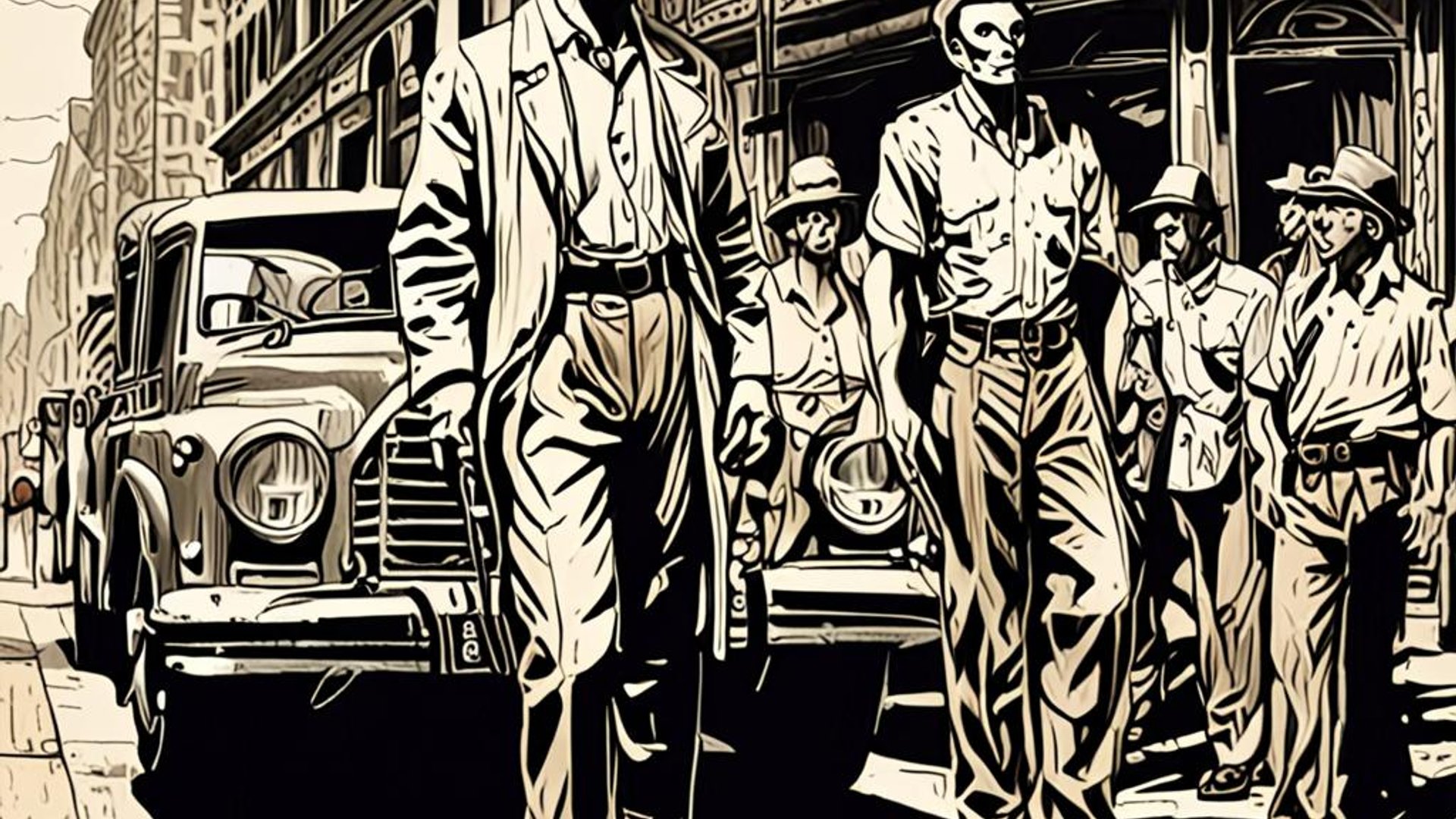
A blueprint for a clean, fast, bilingual North American economy ahead of the 2026 USMCA review. Trade is a sentence written in verbs: make, certify, clear, deliver. For three decades, North America conjugated those verbs under NAFTA; in 2020 we swapped the grammar for USMCA and kept moving.
Ten Interventions That Bent a Hemisphere
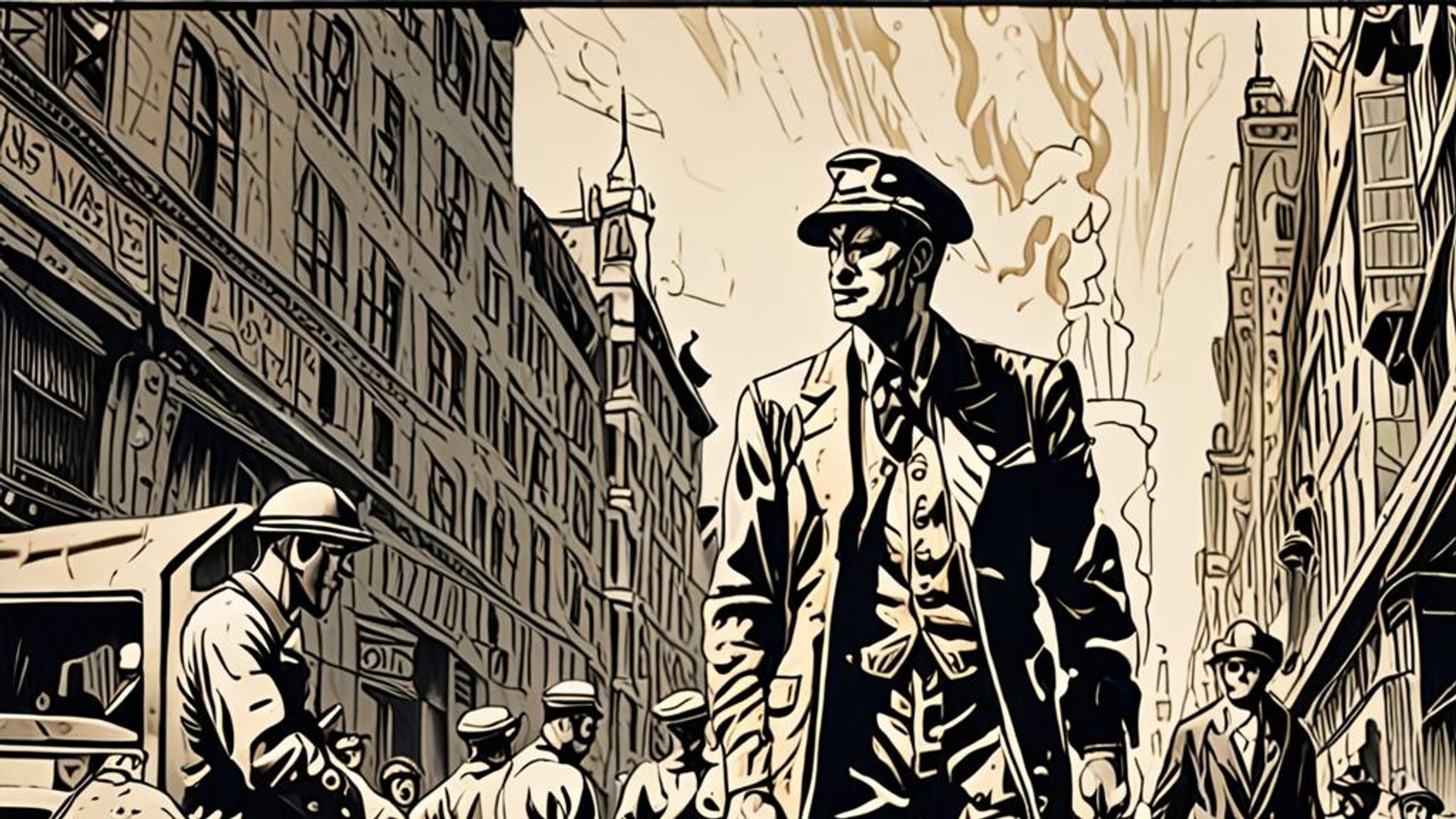
Across the 20th century, U.S. covert and overt actions in Latin America traded short-term "stability" for long-term democratic fragility. From Guatemala's 1954 coup to Plan Colombia, the pattern is visible in declassified files: regime change at the top, mass graves at the bottom.

The Republic of Yeast: A Latin American Chronicle of Invisible Trade
There is a secret cartography beneath every holiday table. You can draw its contours with a fork: the tremor of cranberry tartness, the quiet starch of potatoes, the kernel's soft pop in a spoonful of corn. None of these flavors is provincial. All of them are hemispheric—what remains of the first.
The Long Reverberation: How the Spanish Civil War and the Franco Years Shaped Latin America
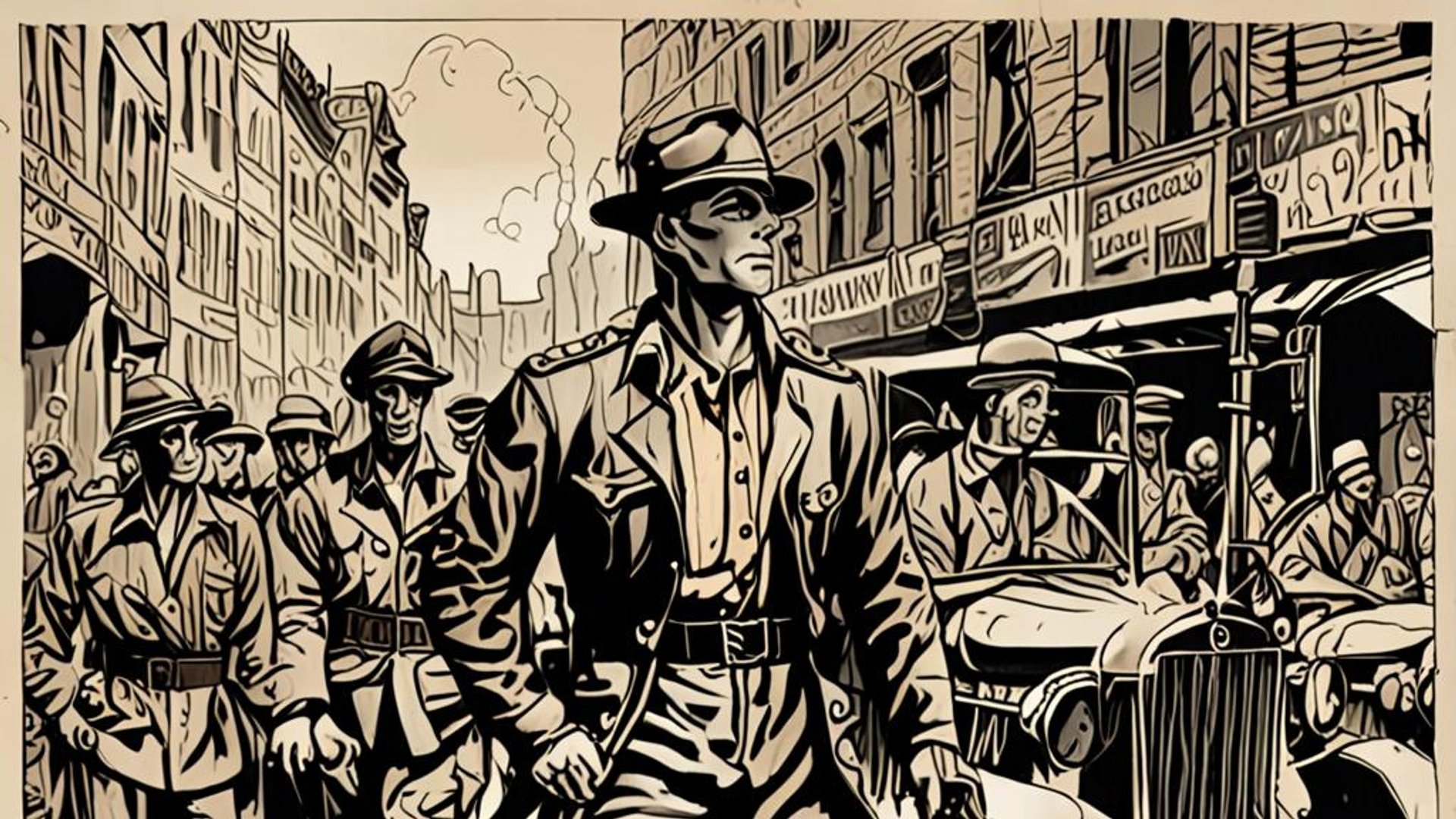
The Spanish Civil War (1936–1939) did not end on the Jarama or the Ebro; it spilled across the Atlantic into classrooms, publishing houses, barracks, parishes, ports, and headquarters. The Franco regime that followed became a source of exiles who rebuilt Latin American culture and a distant mirror.
Latino History Unveiled: The Overlooked Stories of Hispanic America
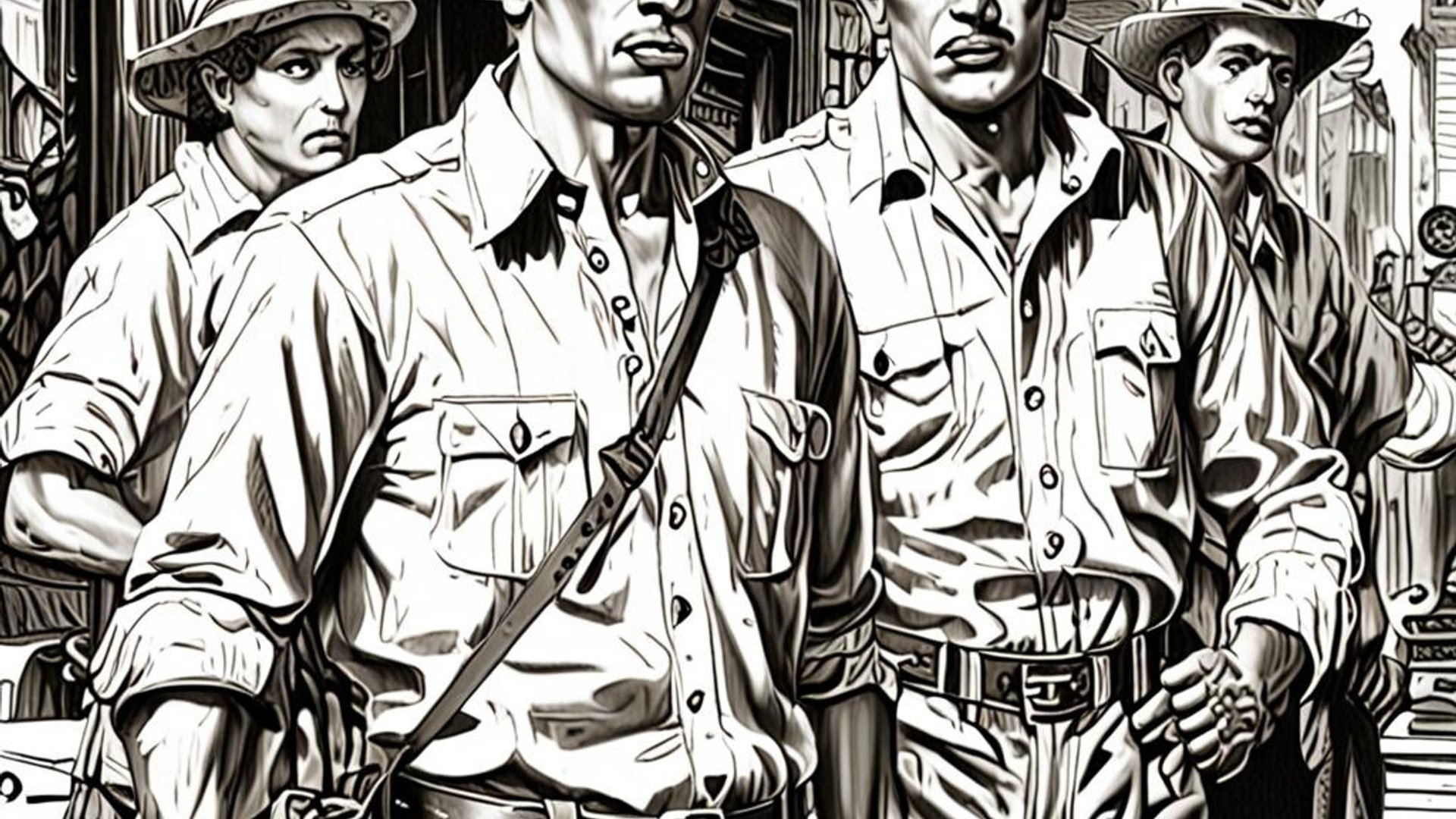
More than one in four Americans live in territory that once belonged to Mexico. This essay traces how treaties, courts, and maps changed flags—but not always the people—arguing for policy and planning that honors place-based continuity.
The Atlantic's Other Shore: Spain and Latin America as the Future's Unlikely Power Couple
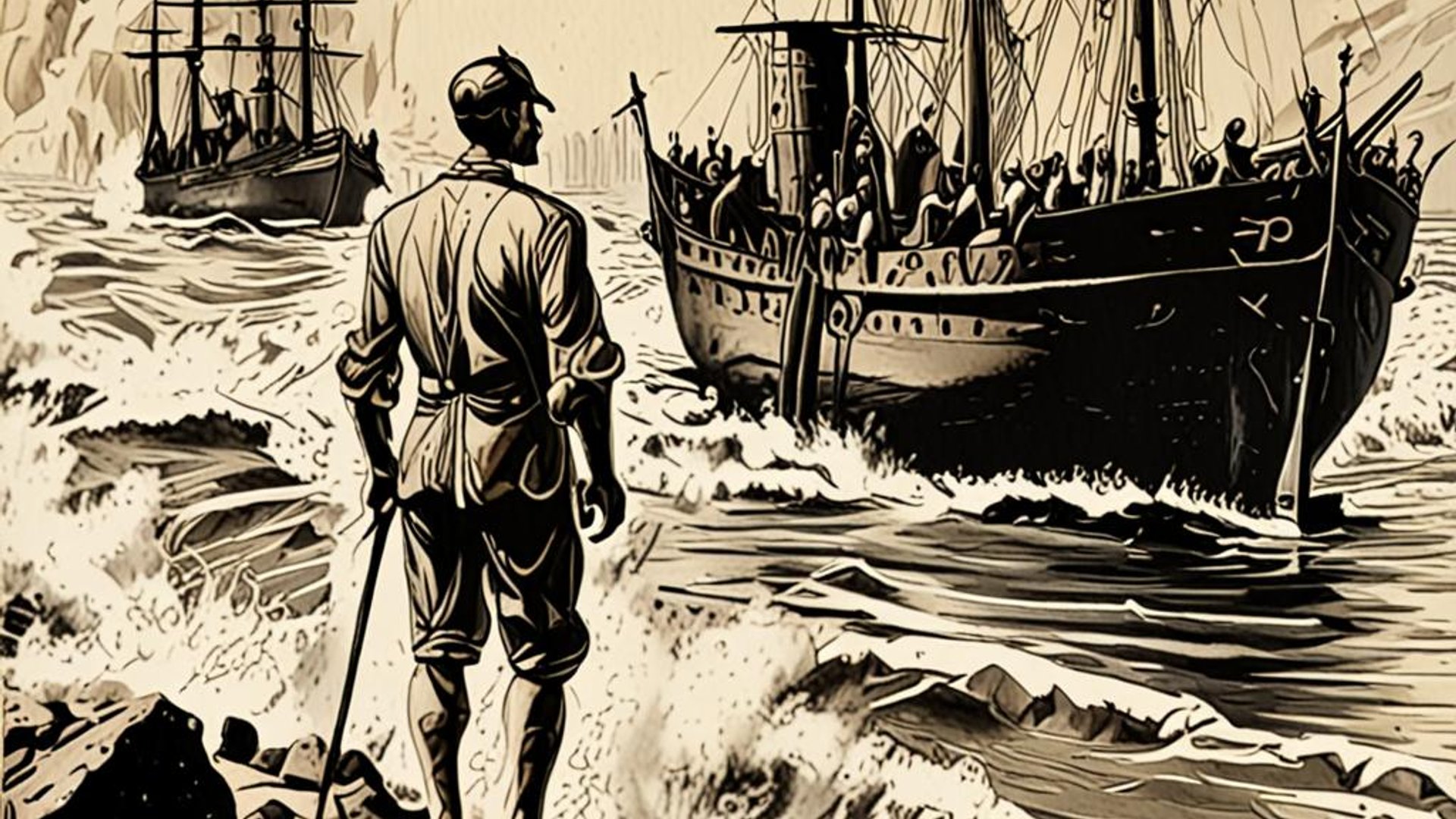
The future likes to hide in plain geography. One shore is Spain: reforming, digitizing, and growing faster than its neighbors, with a power grid now majority-renewable. The other shore is Latin America: a continent of copper and code, lithium and logistics.