How cities work, who they serve, and who decides. We investigate zoning reform, transit equity, missing-middle housing, highway removal, plaza design, shade policy, and the democratic systems that govern urban space. From parking mandates to participatory budgeting, infrastructure is political architecture.
12 articles
The Solarpunk Meridian: U.S. Cities and Latin America''s Urban Innovations
American cities like to narrate themselves in asphalt and appetite—bigger freeways, taller chillers, longer commutes. Then the heat arrives like a bell the size of a sky, and the old grammar buckles. The most quietly innovative urban work of the last quarter-century has happened in Latin America—in.
Why the Electrical Grid Is a Civil Rights Issue
Stand by a substation at solar noon and you can hear the republic breathing: a dry chorus of fans, a smell of ozone, cables as thick as a forearm doing the humble arithmetic that keeps everything else lyrical—elections, novels, marriages. If the hum wobbles, the country stutters.

Zoning as Destiny: How Regulation Shapes American Cities
America's housing crisis, racial segregation, and climate challenges share a common origin: zoning laws written a century ago to exclude and divide.

Stranded: Who Gets to Move
Public transportation is social infrastructure. How we design and fund it determines who can access jobs, education, and opportunity.
Vetocracy: Why America Can't Build
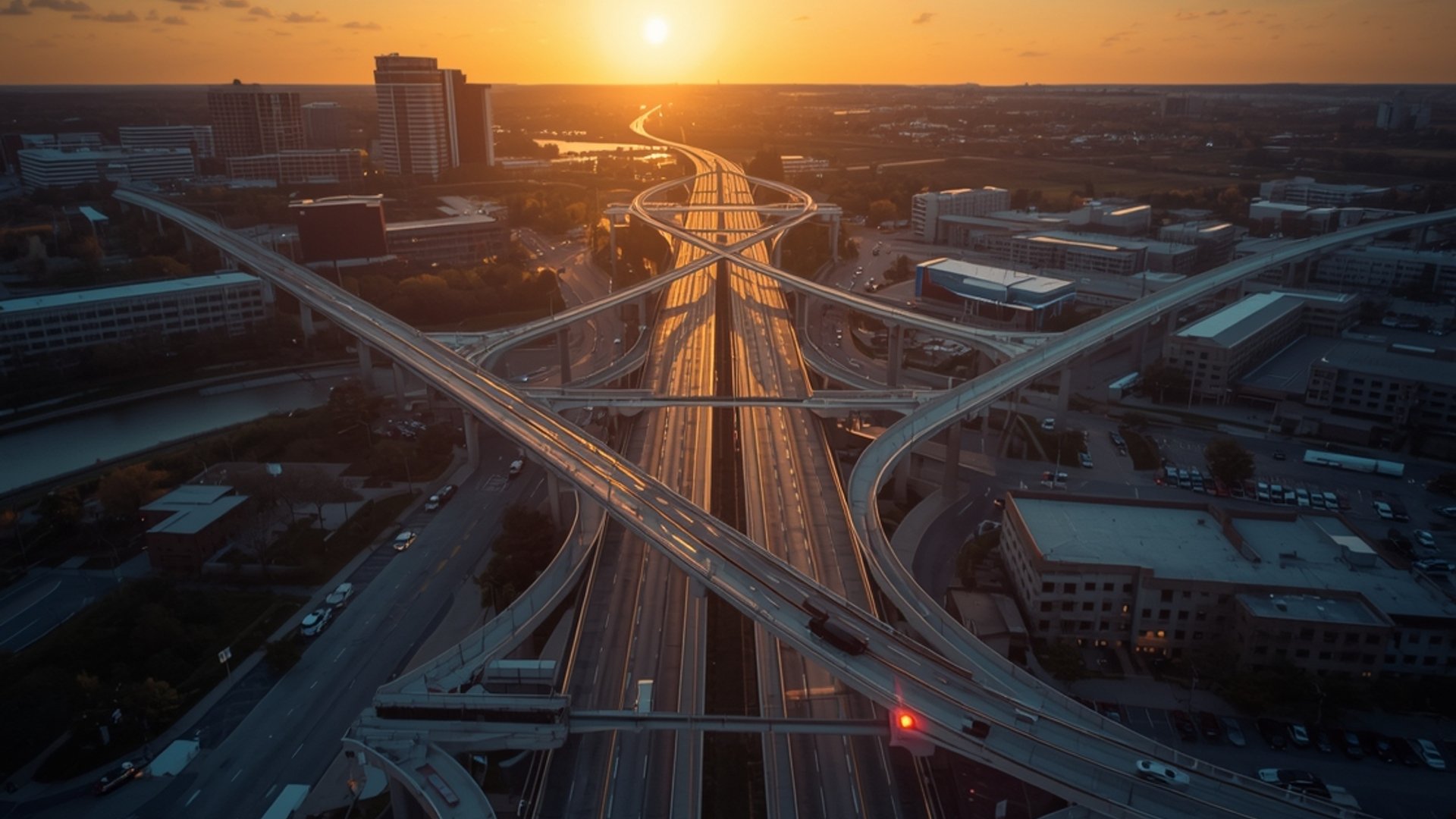
Every empire tells time with its roads. Rome had milestones; we have press releases. In 2021, Congress passed the Bipartisan Infrastructure Law—a vault of money large enough to make accountants need a hammock. The numbers are real; the cranes are not imaginary.
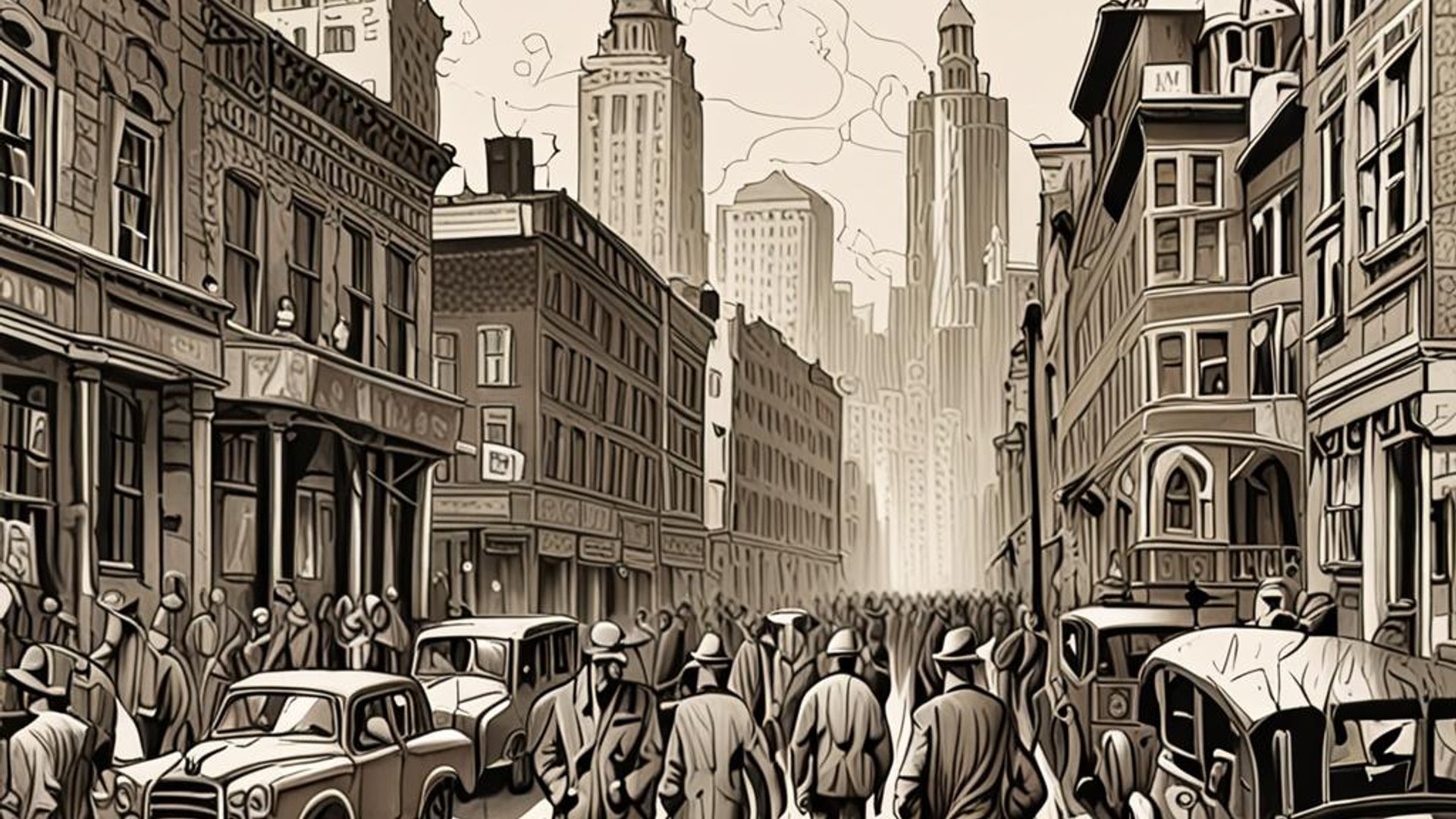
Colonial Urbanism Solved Climate. We Forgot.
American cities keep patching problems with the wrong tools: we use 1926 style zoning to fight a 2025 climate, and we wonder why the patient keeps sweating. When in doubt, open the drawer with the old instructions. In 1573, a Spanish royal decree—the Ordinances for the Discovery, New Settlements.
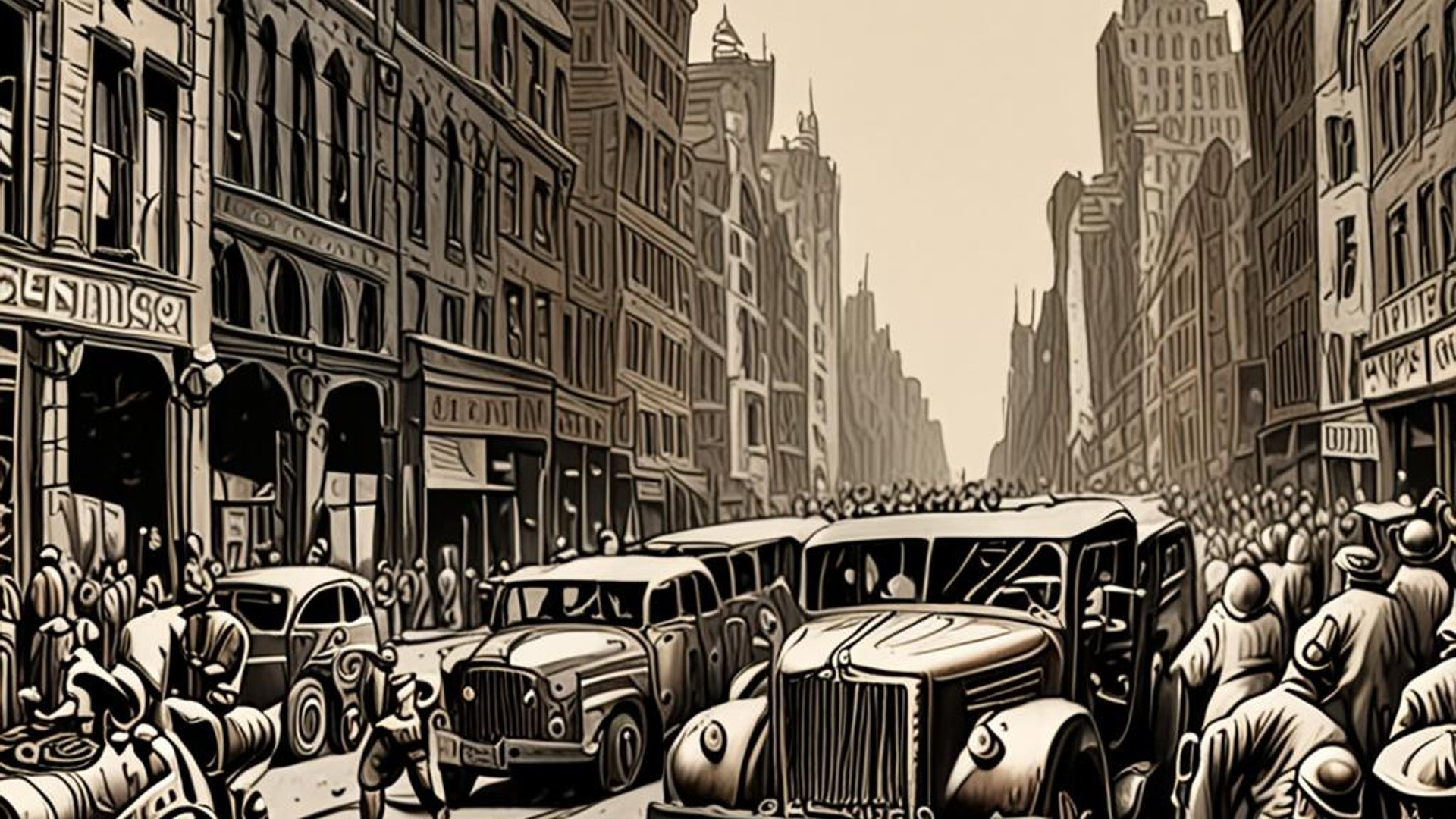
The Great Unbuilding: How tearing out the wrong highways can stitch a republic back together
Stand beneath the I-10 over Claiborne in Tremé and listen: the concrete hums like a bad memory. A neighborhood that once gathered under live oaks now measures shade in rebar geometry. We inherited miles of this: structures poured in the name of 'mobility' that severed streets, businesses, lungs—and.
The Shade Gap: Why Trees Are the Infrastructure America Forgot
A solarpunk blueprint for America's hottest century—rights, rules, and the civic art of lowering the temperature. Here is the short version of the
The Right to Shade: How Spanish Cities Built a Heat Commons America Forgot
How a Spanish-American heat commons can save lives, redesign streets, and teach the republic courtesy. The map of summer is a moral document. It shows where trees stand, where pavements glare, where bus shelters exist because someone cared enough to draw a roof.
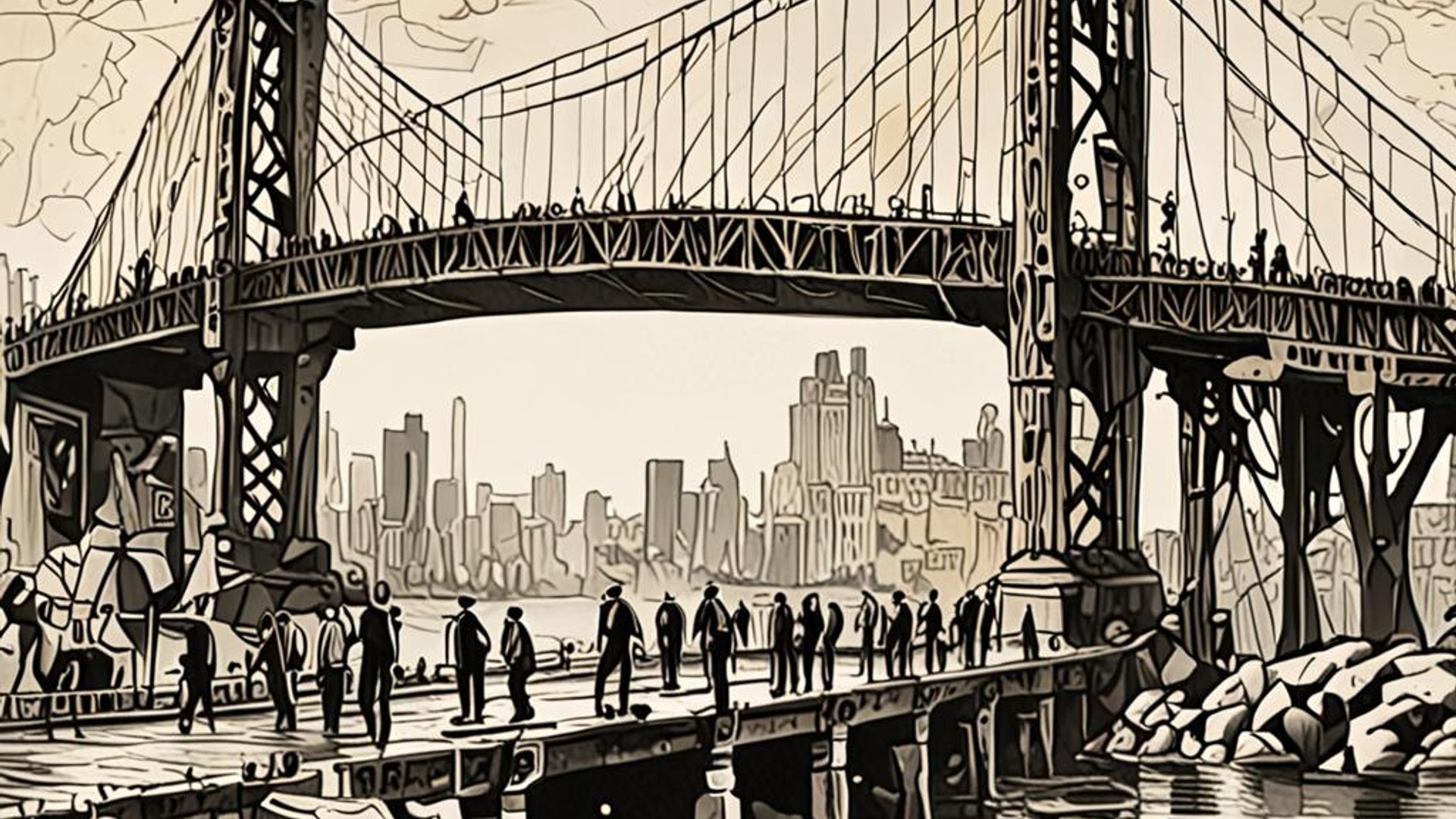
The Rebuild: Infrastructure as Redistribution
What America's infrastructure actually looks like in 2025—three places, four programs, one honest ledger. We like to pretend infrastructure is a sequence of ribbon cuttings—the pure joy of scissors through satin. In reality, it's a ledger written in three inks: authorizations (Congress),.