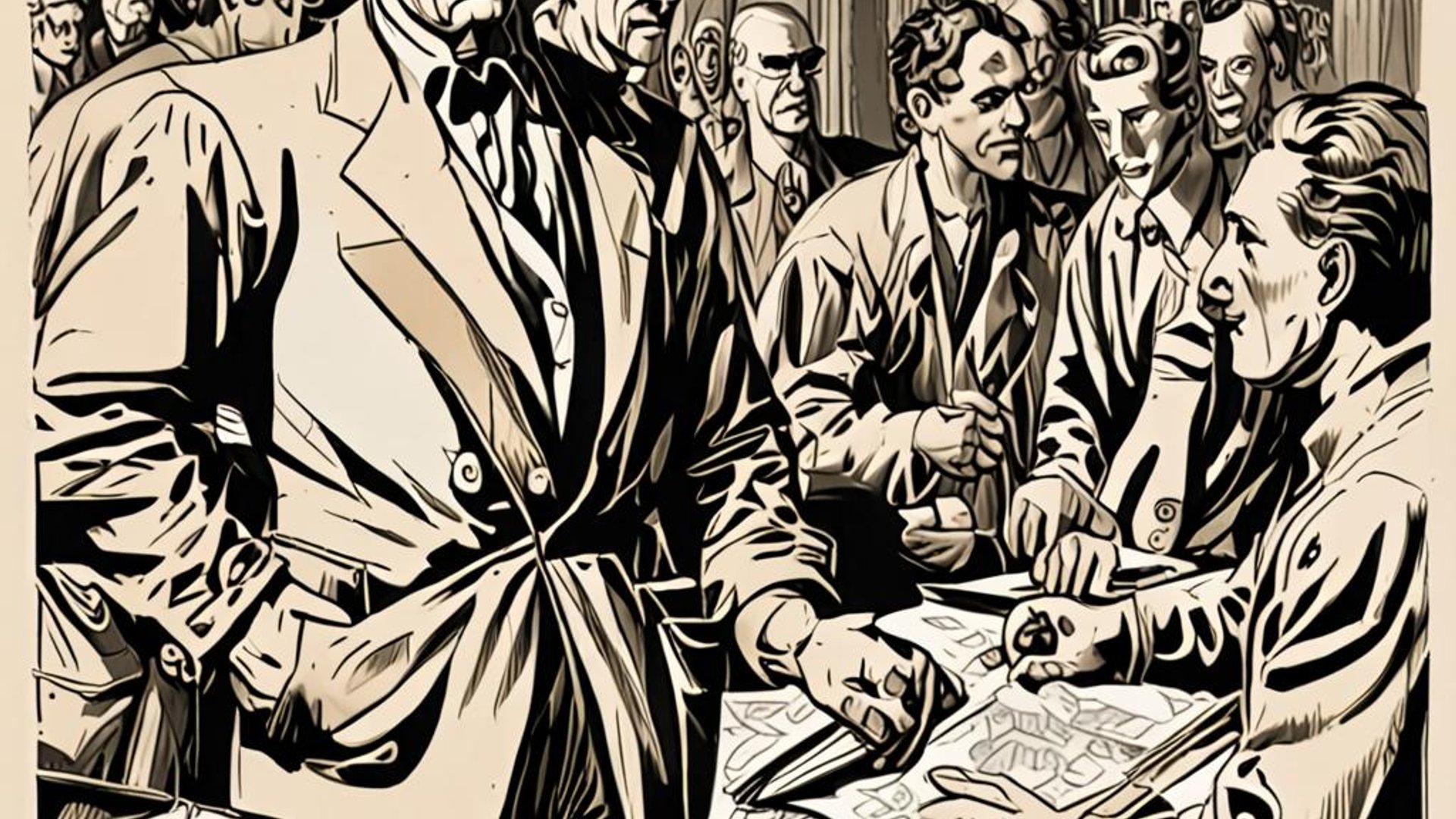
In 2011, New York City Councilmember Brad Lander handed $1 million of his district's capital budget to residents. Not symbolically—literally. Community members would decide which infrastructure projects to fund.
This was participatory budgeting (PB), and it represented a radical idea: maybe the people who live in a place know better than distant officials what that place needs.
How It Works
The process is deceptively simple:
- Brainstorming: Community meetings where residents propose projects
- Development: Volunteer committees work with city agencies to vet proposals (Are they feasible? Legal? Cost-effective?)
- Voting: Residents vote on final proposals, often in schools, libraries, online
- Implementation: Winning projects get funded and built
The scale varies. Some cities dedicate millions; others start with $50,000. The principle is consistent: direct democratic control over public resources.
Porto Alegre's Example
The model originated in Porto Alegre, Brazil, in 1989. A newly elected Workers' Party government faced fiscal crisis and profound distrust. Rather than impose austerity from above, they invited residents to decide budget priorities.
The results surprised skeptics:
- Participation increased year after year (reaching 50,000+ residents)
- Infrastructure investment shifted toward poor neighborhoods
- Corruption decreased (harder to hide misuse when citizens are watching)
- Trust in government improved
By 2000, the World Bank was calling it "best practice."
American Adoption
U.S. cities began experimenting in the 2000s. Chicago was first (2009), followed by New York (2011), Boston, San Francisco, Seattle, and hundreds more.
The American version differs from Porto Alegre's in scale—typically 1-5% of a city's capital budget, not the whole thing. But the democratic principle remains: residents decide.
What Gets Funded
The projects reveal community priorities:
- Schools: Playgrounds, technology upgrades, green schoolyards
- Streets: Bike lanes, crosswalks, street trees, benches
- Parks: Playground equipment, lighting, gardens
- Public spaces: Libraries, community centers, public art
Notably absent: the pet projects that politicians love and residents tolerate. No one votes for a statue of a local politician. They vote for better lighting so kids can walk home safely.
Who Participates
Early criticism focused on representation: Would PB just amplify the voices already heard—educated, older, whiter residents with time and civic knowledge?
Evidence is mixed. In many cities, PB participants are younger and more diverse than average voters. Immigrants participate at higher rates (voting in PB doesn't require citizenship). But class and education gaps persist.
Some cities address this through targeted outreach: meetings in multiple languages, childcare provided, votes accepted at schools and libraries, text-message reminders. When barriers lower, participation broadens.
Does It Work?
The measurable outcomes are encouraging:
- Civic knowledge increases: Participants learn about budgets, city agencies, infrastructure costs
- Social capital builds: Neighbors meet, organize, collaborate
- Trust in government improves: Even when your project loses, seeing the process is fair matters
- Voter turnout rises: PB participants vote in regular elections at higher rates
Less measurable but equally important: the experience of democratic agency. For many participants, PB is the first time they've had genuine power over public decisions.
The Limits
PB isn't a panacea. Constraints include:
- Scale: Even generous PB processes involve tiny fractions of city budgets
- Scope: Usually limited to capital projects (new stuff), not operating budgets (ongoing costs like salaries)
- Power: City agencies can still veto proposals for legal, technical, or political reasons
- Capacity: Running PB well requires staff time, outreach resources, and institutional commitment
When cities treat PB as a box to check rather than a democratic commitment, it fails. Participants notice quickly when their input doesn't matter.
Digital Evolution
Recent innovations include online voting (increasing access but potentially decreasing deliberation) and participatory budgeting for specific issues (parks, schools, climate projects).
Some cities use digital platforms for the entire process—proposal submission, commenting, voting. This expands reach but risks deepening digital divides.
The best implementations blend online and offline: propose online, deliberate in person, vote through multiple channels.
Participatory Democracy vs. Representative Democracy
PB doesn't replace elections; it supplements them. Representatives still control most decisions. But PB reminds us that elections aren't the only form of democratic legitimacy.
When we only vote every few years for officials who make thousands of decisions, we're trusting a lot to delegation. PB offers direct voice on specific choices.
This isn't radical—it's how New England town meetings have worked for centuries. PB just scales the principle to diverse urban settings.
The Broader Implications
If PB works for small-scale capital budgets, could it work for more? Some advocates imagine participatory processes for:
- Zoning decisions: Let neighborhoods shape their own development rules
- Police budgets: Community determination of public safety spending
- Climate planning: Residents decide emission-reduction priorities
- Revenue raising: Participatory decisions on taxes and fees
Each expansion raises questions about expertise, scale, and representation. But if the principle is sound—that people should control decisions affecting their lives—then the question becomes how, not whether.
International Spread
Today, over 11,000 cities worldwide practice some form of PB, from Reykjavik to Seoul to Nairobi. The adaptations vary: some focus on youth, others on immigrants, others on climate.
What unites them is faith in an old idea: ordinary people, given information and opportunity, make wise collective choices.
Conclusion
Participatory budgeting won't solve democracy's crisis alone. But it offers something rare in contemporary politics: a working example of deep democracy—not as utopian theory, but as implemented practice.
The lesson isn't that citizens should decide everything. It's that they can decide more than we assume. Given real power over real resources, people engage seriously, think creatively, and choose wisely.
Democracy works when it's genuine. PB makes it genuine.
This article is part of our Governance & Power series.